Physical Address
304 North Cardinal St.
Dorchester Center, MA 02124
Physical Address
304 North Cardinal St.
Dorchester Center, MA 02124
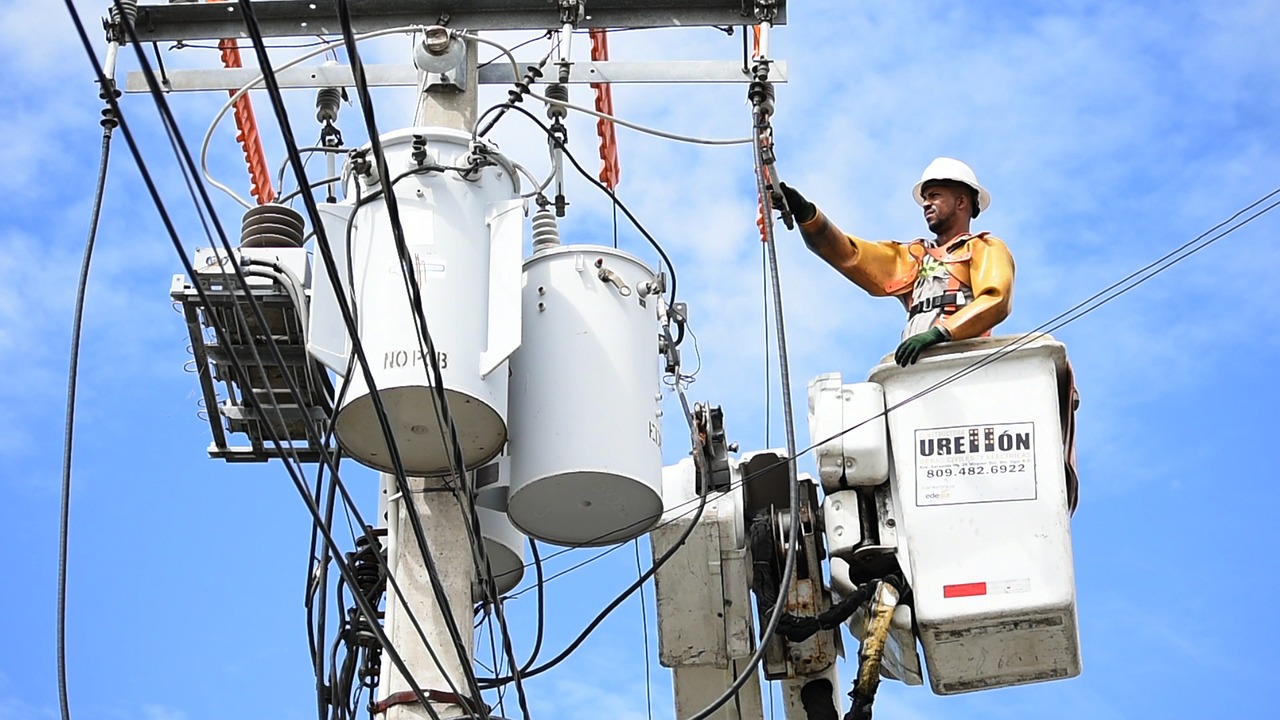
Electrician jobs in Australia attract steady interest from skilled tradespeople abroad, including those in the United States who are exploring international work opportunities. Australia’s construction growth, infrastructure upgrades, renewable energy expansion, and regional labor shortages have created ongoing demand for licensed electricians. However, working legally as an electrician in Australia requires navigating skill assessments, occupational licensing, and immigration pathways that differ significantly from the U.S. system.
This guide explains how electrician jobs fit into Australia’s skilled migration framework, what visa options exist, how licensing works, and what realistic commitments applicants should expect.
Answer 8 quick questions and get a personalized eligibility report with your score, strengths, and next steps — in under 2 minutes.
Take our Advanced Quiz to uncover hidden strengths and get a full action plan to maximize your fellowship chances.
Based on both quizzes, you have a solid profile for fellowship and scholarship applications. Here's your action plan:
Australia uses skilled migration to address structural labor shortages. Electricians are typically listed on national or state skilled occupation lists because of:
The occupation is classified under ANZSCO (Australian and New Zealand Standard Classification of Occupations), and migration eligibility often depends on whether “Electrician (General)” or related specializations appear on the current skilled occupation lists maintained by the Australian Department of Home Affairs.
Importantly, being in demand does not guarantee a visa or job offer. Migration intake levels, state nomination criteria, and labor market conditions change periodically.
Advertisements1
Answer 5 quick questions and we'll match you with the best scholarships, visas, and work opportunities for your exact profile.
Ranked by compatibility with your profile
Electricians typically pursue one of three primary pathways: independent skilled migration, state nomination, or employer sponsorship.
| Pathway | Who It’s For | Key Requirement | Permanent Residency? |
|---|---|---|---|
| Skilled Independent (Subclass 189) | Applicants with high points scores and listed occupation | Points-tested invitation system | Yes |
| Skilled Nominated (Subclass 190) | Applicants nominated by a state or territory | State-specific criteria and commitment | Yes |
| Employer Sponsored (Subclass 482 / 186) | Applicants with sponsoring employer | Approved employer sponsorship | Temporary or Permanent (depending on stream) |
Each pathway involves different documentation and risk factors. Independent migration relies heavily on the points system, while employer-sponsored routes depend on labor market testing and business compliance requirements.
Before applying for most skilled visas, electricians must complete a formal skills assessment. For trade occupations, this is typically handled by Trades Recognition Australia (TRA).
The assessment evaluates:
U.S. electricians should understand that American state licensing does not automatically transfer. Even experienced electricians may be required to demonstrate competency against Australian standards.
Immigration approval alone does not authorize someone to work as an electrician. Electrical work is regulated at the state and territory level. After arrival, applicants must apply for a local electrical license through the relevant regulator.
Requirements may include:
For example, wiring regulations differ from U.S. National Electrical Code standards. Understanding Australian Standard AS/NZS 3000 (Wiring Rules) is typically necessary.
This licensing stage can create delays between visa approval and full employment authorization.
Under employer-sponsored streams, businesses must demonstrate they cannot readily fill the role with an Australian citizen or permanent resident. This is known as labor market testing.
For electricians, sponsorship generally requires:
Sponsorship does not eliminate skill assessment requirements. Employers cannot bypass national standards.
Independent and state-nominated visas operate under a points-tested system. Points are awarded for:
Meeting the minimum points threshold allows entry into the pool but does not ensure an invitation. Cutoff scores fluctuate based on application volumes and government planning levels.
David is a 30-year-old licensed electrician from Texas with eight years of commercial construction experience. He wants to work in Australia.
Even in this simplified example, the process spans multiple stages and can take many months depending on assessment times and invitation rounds.
Demand for electricians varies by region. Western Australia and Queensland may see strong demand linked to mining and energy projects, while New South Wales and Victoria often experience residential and infrastructure-driven needs.
Some states prioritize applicants willing to live outside major metropolitan areas. Regional nomination streams may offer additional migration points but often require a commitment to reside and work in that state for a specified period.
Wages differ by industry segment (commercial, industrial, mining, renewable energy) and geographic location. Overtime structures and union agreements may also influence earnings.
Applicants typically need:
Incomplete or inconsistent employment documentation is a common cause of delays.
Prospective applicants should realistically assess:
Immigration eligibility also depends on health, character, and admissibility assessments under Australian law.
Do I need a job offer before applying?
Not for independent skilled visas. Employer-sponsored visas do require a sponsoring employer.
Is English testing mandatory for U.S. applicants?
Most applicants must provide evidence of English proficiency unless exempt under specific nationality or passport rules defined by immigration policy.
Can I move directly to permanent residency?
Some visa subclasses grant permanent residency directly, while others begin as temporary visas with potential transition pathways.
Where can I verify current eligibility?
Official criteria are published by the Department of Home Affairs and skilled occupation information is updated regularly.
Electrician jobs in Australia form part of a structured skilled migration system designed to address labor shortages while maintaining regulatory standards. For U.S. electricians, the opportunity is real but procedural. The process involves skills assessment, immigration eligibility, state or employer coordination, and post-arrival licensing.
Applicants who approach the pathway with clear documentation, realistic timelines, and awareness of licensing differences are better positioned to navigate the system effectively. Immigration outcomes depend on meeting formal requirements rather than market demand alone.
Editorial Note: This article is based on publicly available information from Australian government sources and labor market data. It is provided for informational purposes only and does not constitute legal advice. Immigration policies and skilled occupation lists change periodically. Readers should verify current requirements through official government websites. The author has experience researching immigration systems and labor market dynamics.