Physical Address
304 North Cardinal St.
Dorchester Center, MA 02124
Physical Address
304 North Cardinal St.
Dorchester Center, MA 02124
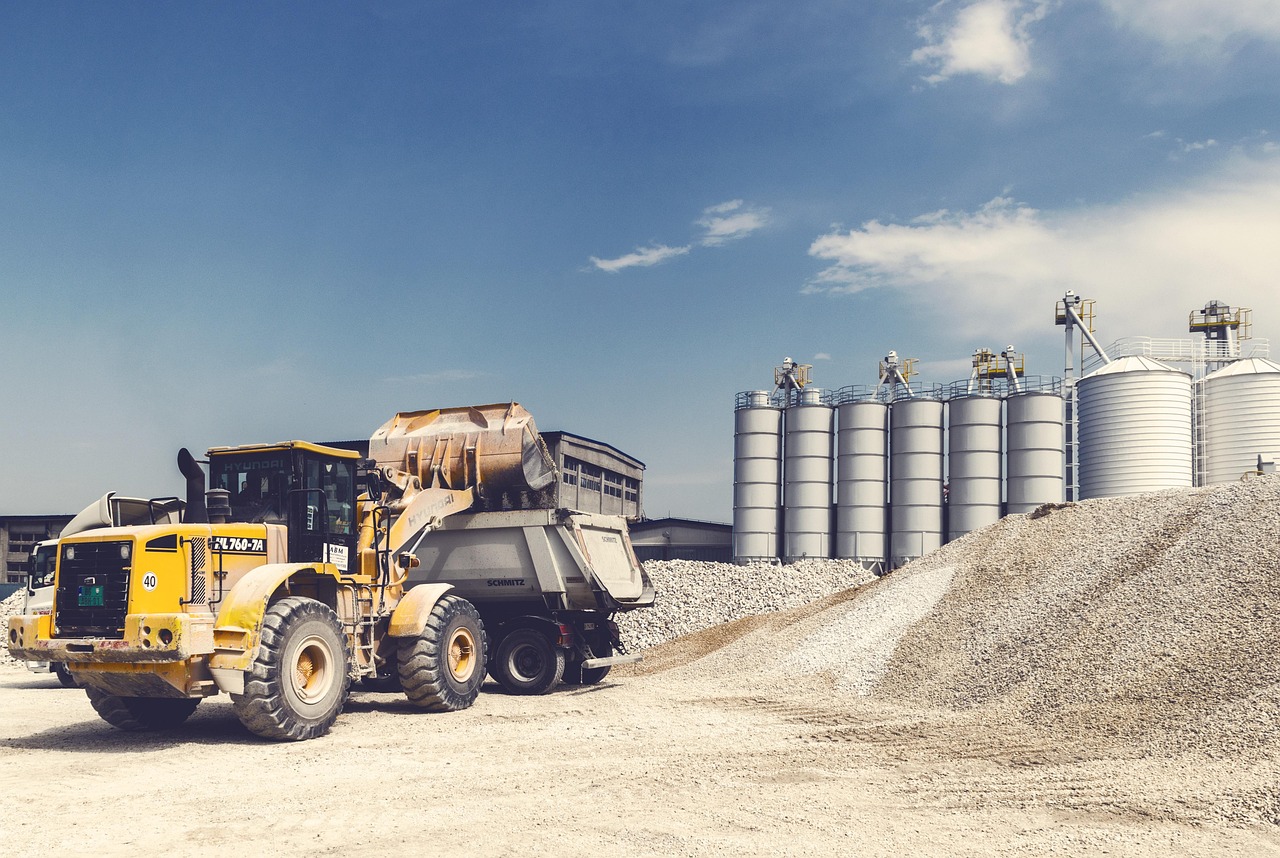
Germany’s construction sites, logistics hubs, and industrial plants depend heavily on skilled machinery operators. From excavators shaping new rail corridors to crane operators supporting high-rise construction, heavy equipment professionals are part of the country’s broader infrastructure and industrial strategy. For international workers exploring employment abroad, heavy machinery jobs in Germany represent a structured, regulated pathway into the European labor market — but one governed by clear qualification, licensing, and immigration rules.
This article explains how these jobs fit into Germany’s labor policy, what immigration routes are available, and what international applicants should realistically expect before pursuing a work permit.
Answer 8 quick questions and get a personalized eligibility report with your score, strengths, and next steps — in under 2 minutes.
Take our Advanced Quiz to uncover hidden strengths and get a full action plan to maximize your fellowship chances.
Based on both quizzes, you have a solid profile for fellowship and scholarship applications. Here's your action plan:
Germany faces demographic pressure. An aging workforce and persistent skilled labor shortages in construction and infrastructure have led policymakers to modernize immigration rules. The Skilled Immigration Act (Fachkräfteeinwanderungsgesetz) was expanded to make it easier for qualified non-EU workers to access the labor market, particularly in occupations requiring vocational training.
Heavy machinery roles fall into the category of skilled trades when formal vocational training or equivalent experience is required. These include:
Germany’s Federal Employment Agency regularly identifies shortages in construction and logistics-related occupations. Official labor market data can be reviewed through the Federal Employment Agency (Bundesagentur für Arbeit).
Advertisements1
Answer 5 quick questions and we'll match you with the best scholarships, visas, and work opportunities for your exact profile.
Ranked by compatibility with your profile
International applicants generally enter Germany through one of several structured work permit categories. The appropriate route depends on qualifications, experience, and whether professional recognition is required.
| Pathway | Who It Applies To | Key Requirements | Labor Market Check |
|---|---|---|---|
| Skilled Worker Visa (Vocational Qualification) | Workers with recognized non-academic vocational training | Recognized qualification in Germany + job offer | Often waived for recognized skilled roles |
| EU Blue Card | Primarily university graduates | Recognized degree + salary threshold | No labor market priority check |
| Opportunity Card (Chancenkarte) | Skilled workers seeking employment in Germany | Points-based system + qualifications + funds | No job offer required initially |
| Work Visa with Employer Sponsorship | Workers with binding job contract | Employer-backed offer + Federal Employment Agency approval | Case-by-case review |
Official visa categories and eligibility rules are published by the Make it in Germany portal and the Federal Office for Migration and Refugees (BAMF).
One of the most important realities for newcomers is that operating heavy machinery in Germany is regulated. Employers typically require formal vocational credentials or documented work experience. For many non-EU applicants, foreign qualifications must undergo a recognition process (Anerkennung).
This process evaluates whether your training is equivalent to German standards. If gaps are identified, applicants may need supplementary training. Recognition rules vary by federal state and occupation.
For crane operators and specialized machinery roles, safety certification and German-language workplace competency are often mandatory. Even where legal recognition is not strictly required, employers may demand certification aligned with German occupational safety regulations.
Unlike some IT roles, heavy machinery positions typically require functional German language skills. Construction sites and industrial facilities operate under strict safety protocols. Miscommunication poses serious risk.
While the legal minimum for certain visas may be modest, employers frequently expect at least A2 or B1 level German proficiency, particularly in roles involving coordination with teams or site supervisors.
Germany does not use a quota-based sponsorship lottery system. Instead, the process centers on a binding job offer. The employer submits documentation to the Federal Employment Agency confirming:
For recognized skilled occupations, labor market priority checks have been largely removed, but wage compliance remains essential. Salaries vary by region and collective bargaining agreements. Construction equipment operators may earn differing wages depending on federal state, employer size, and union agreements.
Ahmed, a 32-year-old excavator operator with eight years of experience outside the EU, secured a contract with a mid-sized German construction firm involved in railway expansion.
Step one involved submitting his vocational training documents for recognition. Authorities determined partial equivalency, requiring him to complete a short adaptation course focused on German safety standards.
After completing the course and obtaining B1-level German certification, his employer submitted documentation for work authorization approval. The Federal Employment Agency reviewed wage conditions and confirmed compliance with regional standards.
Ahmed received a residence permit tied to his employment contract. His permit allows renewal and, after several years of lawful employment and contributions, may create eligibility for permanent residency — subject to meeting integration and language requirements.
This example illustrates that the pathway is structured and possible, but not automatic or immediate.
While shortages exist, heavy machinery roles are not uniformly vacant across all regions. Eastern German states may experience different demand patterns than southern industrial regions. Infrastructure investment cycles also influence hiring intensity.
Seasonal construction slowdowns, licensing delays, and recognition backlogs can affect onboarding timelines. Applicants should prepare for administrative processing periods that vary depending on embassy workload and local immigration offices.
Requirements may differ by nationality and visa category. Immigration regulations change periodically, so official sources should always be consulted before applying.
Before pursuing heavy machinery employment in Germany, applicants should realistically assess the following obligations:
There is no guarantee of visa approval. Eligibility depends on admissibility, documentation completeness, and compliance with evolving immigration law.
Heavy machinery workers entering under skilled worker provisions may qualify for permanent settlement after several years of lawful residence and social insurance contributions. Timeframes vary depending on language proficiency and integration level.
Permanent residency is not automatic; it requires meeting statutory conditions defined by German residence law.
Heavy machinery jobs in Germany provide a structured entry route for experienced international workers, particularly within construction and industrial sectors facing demographic strain. The system is rules-based rather than discretionary. Success depends on recognized qualifications, employer compliance, language preparation, and administrative patience.
For applicants willing to navigate credential recognition and meet regulatory standards, Germany offers a transparent — though procedurally demanding — employment framework. It is neither an informal labor market nor a fast-track migration channel. It is a formal skilled worker system aligned with national labor policy.
Editorial Note: This article is based on publicly available information from German government sources, including BAMF and the Federal Employment Agency. It is provided for informational purposes only and does not constitute legal advice. Immigration regulations change, and readers should verify current rules through official government websites. The author has experience researching immigration systems and labor market policy frameworks.