Physical Address
304 North Cardinal St.
Dorchester Center, MA 02124
Physical Address
304 North Cardinal St.
Dorchester Center, MA 02124
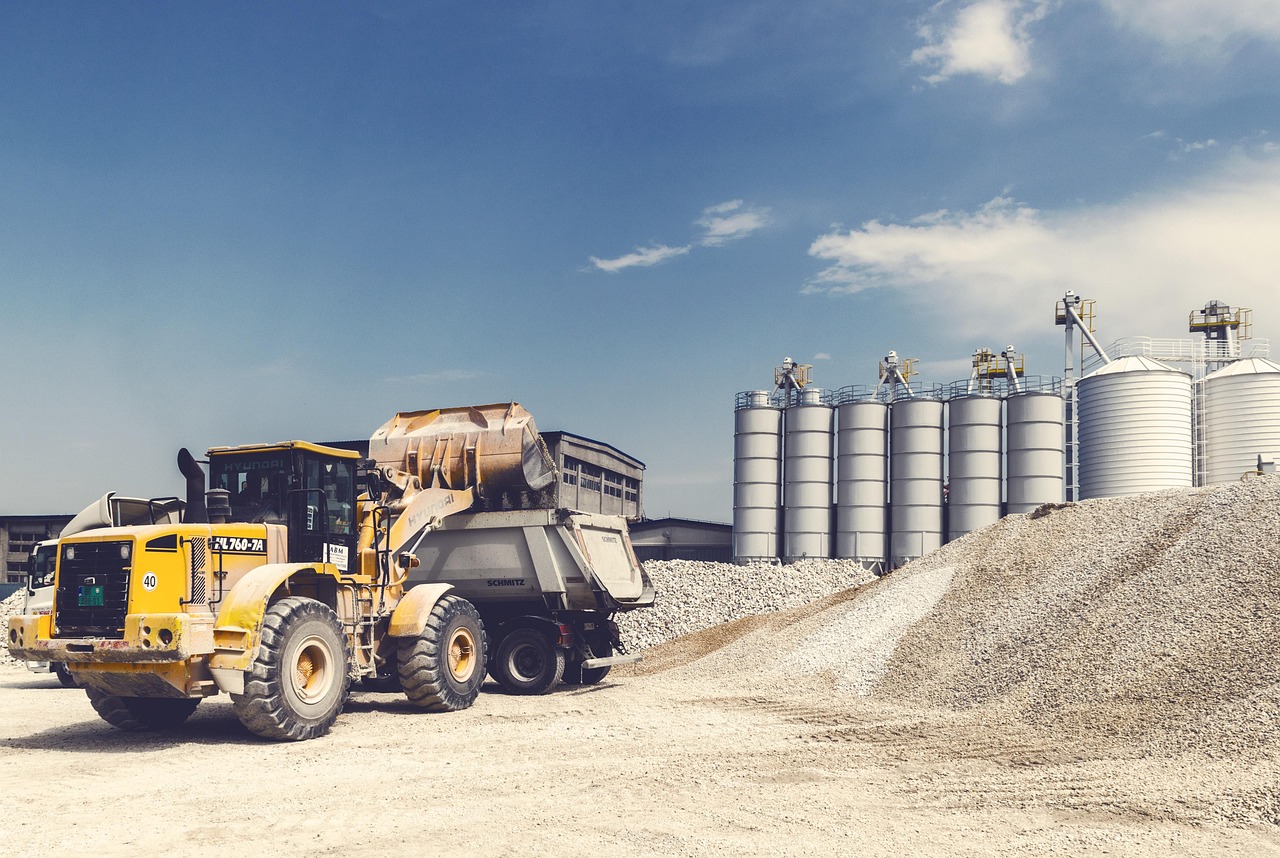
Excavator and heavy machinery operator jobs in Germany attract attention from U.S. workers looking for stable employment in construction, infrastructure, and industrial projects. Germany has one of Europe’s largest construction sectors, supported by long-term infrastructure upgrades, renewable energy expansion, and residential development. For newcomers exploring overseas work opportunities, it is important to understand not only job availability, but also immigration rules, licensing requirements, and labor market realities.
Germany faces structural labor shortages in skilled trades. An aging workforce and strong industrial demand have created gaps in construction, road building, rail expansion, and civil engineering. According to the Federal Employment Agency (Bundesagentur für Arbeit), skilled construction roles are regularly listed among shortage occupations in multiple regions.
Answer 8 quick questions and get a personalized eligibility report with your score, strengths, and next steps — in under 2 minutes.
Take our Advanced Quiz to uncover hidden strengths and get a full action plan to maximize your fellowship chances.
Based on both quizzes, you have a solid profile for fellowship and scholarship applications. Here's your action plan:
Excavator operators, crane operators, and heavy equipment drivers are essential to large-scale projects such as transportation networks and renewable energy installations. These roles are not entry-level labor jobs; they require technical training, safety compliance, and often formal certification. Germany’s immigration policy has gradually opened pathways for non-EU skilled workers where domestic supply is insufficient.
Heavy machinery operators in Germany typically work with:
Daily responsibilities include site preparation, trench digging, earthmoving, and precision grading. German employers place strong emphasis on safety compliance and technical documentation. Workers are expected to follow regulated procedures and site inspections.
Advertisements1
Answer 5 quick questions and we'll match you with the best scholarships, visas, and work opportunities for your exact profile.
Ranked by compatibility with your profile
Salaries vary by region and experience. In western and southern Germany, experienced operators may earn higher wages due to stronger regional construction demand. Entry-level skilled operators generally earn moderate wages that increase with certification and specialization. Compensation depends on union agreements, employer size, and regional labor contracts.
U.S. citizens cannot simply relocate to Germany and begin working. A valid work authorization is required. Germany’s skilled worker immigration framework is governed by the Skilled Immigration Act. Official guidance is available through the Make it in Germany portal and the Federal Office for Migration and Refugees (BAMF).
The most relevant pathways for heavy equipment operators include:
| Pathway | Who It Applies To | Core Requirements | Key Considerations |
|---|---|---|---|
| Skilled Worker Visa (Fachkraft) | Applicants with recognized vocational training | Recognized qualification, job offer, employment contract | Qualification recognition is mandatory |
| EU Blue Card | Primarily academic professionals | University degree and salary threshold | Usually not applicable to machinery operators |
| Work Visa with Partial Recognition | Applicants whose training is not fully equivalent | Job offer plus agreement to complete adaptation training in Germany | May require additional exams or supervised practice |
For most machinery operators, the Skilled Worker Visa is the primary route. The applicant must first secure a job offer from a German employer. The employer may need approval from the Federal Employment Agency confirming that employment conditions meet German standards.
Germany regulates many skilled trades. U.S. applicants must typically undergo a qualification recognition process (Anerkennung). Authorities compare U.S. vocational training and work experience against German standards.
If substantial differences exist, applicants may need to complete adaptation training or pass competency assessments. This step can significantly affect timelines. Recognition is handled by regional authorities, and documentation must be officially translated.
While some construction sites operate with multilingual teams, German language skills are often required for safety briefings, documentation, and regulatory compliance. A basic to intermediate German level (often A2 or B1) is commonly expected for skilled worker visas in non-academic trades.
Language ability can influence employability more than technical skill alone, particularly for roles involving coordination or supervisory duties.
David, a 34-year-old excavator operator from Texas, had ten years of experience in road construction. He completed vocational training in the U.S. and held multiple equipment certifications.
After identifying a German employer seeking experienced operators for infrastructure expansion, he received a conditional job offer. However, his U.S. certification did not fully match German vocational standards. The recognition authority determined partial equivalence.
David entered Germany under a skilled worker visa with an agreement to complete a short adaptation course focused on German safety law and machinery standards. During this period, he worked under supervision. After completing the required modules, he received full recognition.
His timeline from job offer to final work authorization extended over several months. The process required translated records, proof of work history, and coordination between immigration and labor authorities.
Although labor shortages exist, competition remains region-specific. Southern states such as Bavaria and Baden-Württemberg often have stronger construction demand than some eastern regions. Infrastructure modernization and renewable energy projects continue to drive machinery demand.
However, seasonal slowdowns, economic cycles, and public investment decisions influence hiring patterns. Construction employment in Germany is stable but not immune to broader European economic conditions.
Employers must comply with wage standards set by collective agreements. This reduces the likelihood of wage undercutting but also means employers cannot offer below-standard compensation to facilitate immigration approval.
Applicants typically need:
German authorities may also assess housing arrangements and financial stability during the initial period.
Germany does not operate a sponsorship system identical to that of some other countries. Instead, the employer provides a formal job contract, and authorities evaluate whether employment conditions meet legal standards. The employer does not “own” the visa, but the residence permit is generally tied to the specific job during the initial period.
Changing employers may require notification or approval, depending on visa type and duration of residence.
Prospective applicants should realistically assess the following requirements:
Immigration rules can change, and individual admissibility factors—including criminal background and financial stability—affect approval decisions.
Working in Germany offers structured labor protections, regulated working hours, and social insurance coverage. At the same time, workers must adapt to formal workplace hierarchies, strict safety oversight, and administrative processes that can feel bureaucratic to newcomers.
Credential recognition may require additional study even for experienced operators. Relocation also involves cultural adaptation and integration into a new labor system.
Can I apply without a job offer?
In most cases, skilled worker visas for non-academic trades require a confirmed job offer before approval.
Is permanent residency possible?
After several years of lawful employment and contributions to the social system, workers may qualify for permanent settlement, subject to language and integration requirements.
Are U.S. certifications automatically valid?
No. Formal recognition through German authorities is typically required.
Does experience substitute for training?
Extensive experience may support partial recognition, but formal assessment is still required.
Excavator and heavy machinery operator jobs in Germany form part of a broader skilled worker immigration strategy aimed at addressing structural labor shortages. For U.S. applicants, the opportunity is realistic but regulated. Qualification recognition, employer contracts, and language competence are central components of the process.
Germany offers a stable, rules-based employment environment with long-term residency possibilities for those who meet eligibility criteria. However, the pathway demands preparation, documentation, and patience. Applicants should approach the process with a clear understanding of regulatory expectations rather than assumptions about labor shortages alone.
Editorial Note: This article is based on publicly available information from German government sources and labor authorities. It is intended for informational purposes only and does not constitute legal advice. Immigration regulations and processing procedures may change. Readers should verify current requirements through official government websites. The author has experience researching immigration systems and labor market policy frameworks.