Physical Address
304 North Cardinal St.
Dorchester Center, MA 02124
Physical Address
304 North Cardinal St.
Dorchester Center, MA 02124
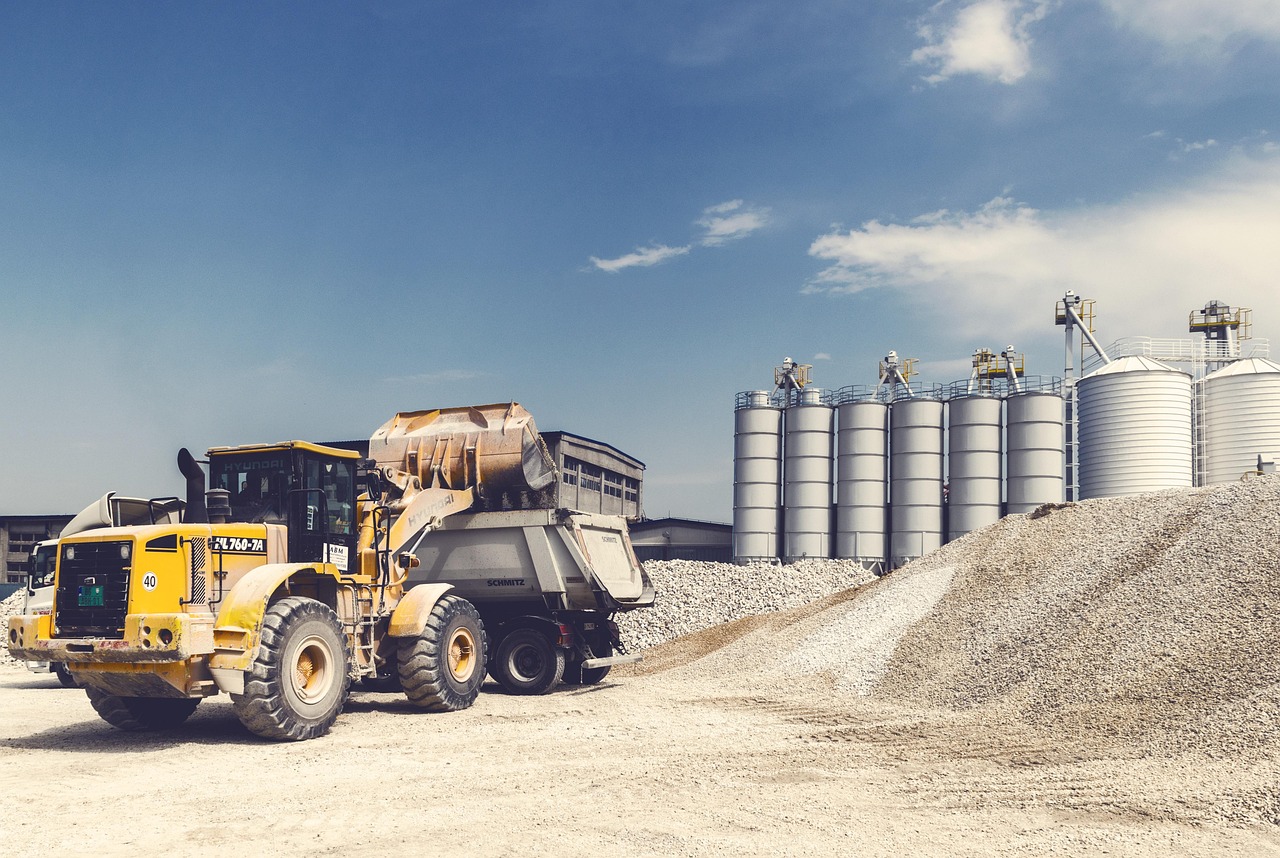
Germany’s construction, logistics, and infrastructure sectors rely heavily on skilled machine operators. As public works projects expand and an aging domestic workforce retires, employers increasingly look beyond national borders to fill vacancies for heavy equipment drivers. For workers in the United States exploring international employment, understanding how Germany’s work visa system applies to this occupation is essential before pursuing opportunities.
This article explains how Germany’s immigration framework applies to heavy equipment drivers, what employers must demonstrate, how qualifications are assessed, and what commitments applicants should realistically expect.
Answer 8 quick questions and get a personalized eligibility report with your score, strengths, and next steps — in under 2 minutes.
Take our Advanced Quiz to uncover hidden strengths and get a full action plan to maximize your fellowship chances.
Based on both quizzes, you have a solid profile for fellowship and scholarship applications. Here's your action plan:
Germany faces structural labor shortages in construction and infrastructure maintenance. Large-scale transportation upgrades, housing demand in urban regions, and renewable energy expansion require qualified operators for excavators, cranes, bulldozers, and other heavy machinery.
According to the Federal Employment Agency (Bundesagentur für Arbeit), skilled trades and construction-related roles frequently appear on shortage occupation monitoring lists. These shortages are driven by demographic decline, vocational training gaps, and regional disparities between eastern and western states.
To address these pressures, Germany modernized its skilled worker immigration framework through the Skilled Immigration Act (Fachkräfteeinwanderungsgesetz), enabling qualified non-EU workers to obtain residence permits for employment if they meet defined standards.
Advertisements1
Answer 5 quick questions and we'll match you with the best scholarships, visas, and work opportunities for your exact profile.
Ranked by compatibility with your profile
Heavy equipment drivers typically fall under Germany’s residence permit for qualified professionals with vocational training. This pathway is distinct from the EU Blue Card, which is generally reserved for university-educated professionals.
| Pathway | Who It Applies To | Key Requirement | Employer Involvement | Permanent Residency Outlook |
|---|---|---|---|---|
| Skilled Worker with Vocational Training | Workers with recognized non-academic training | Qualification recognized as equivalent in Germany | Job offer required; labor market review may apply | Eligible after several years of legal employment |
| EU Blue Card | University graduates in regulated fields | Recognized degree and salary threshold | Job offer required; no labor market test in most cases | Accelerated permanent residency timeline |
For most heavy equipment drivers, the first pathway is the relevant one. The legal basis and requirements are outlined by the Make it in Germany portal, an official government information site.
A central requirement is recognition of foreign vocational qualifications. Germany does not automatically accept U.S. trade experience or licenses. Applicants must apply for an equivalence assessment through a designated recognition authority.
The process evaluates:
If substantial differences are identified, applicants may be required to complete adaptation training or pass a knowledge assessment before full recognition is granted.
Unlike purely points-based systems, Germany’s work authorization framework remains employer-driven. A binding job offer is mandatory before applying for the residence permit.
The Federal Employment Agency reviews:
In many skilled worker cases, a full labor market test (prioritizing German or EU workers) has been relaxed. However, authorities still verify that employment conditions are not inferior to domestic standards.
While heavy equipment operation is a technical role, German language ability often remains important for safety compliance and integration. Many employers expect at least basic to intermediate German (A2–B1 level under the Common European Framework).
Language requirements are not uniformly mandated at the visa stage, but limited proficiency can restrict job mobility and long-term advancement.
Wages for heavy equipment drivers vary by federal state, experience, and union agreements. Western states and major metropolitan regions often offer higher compensation than rural eastern areas.
Authorities examine whether the proposed salary matches local standards for comparable workers. Underpayment can result in visa refusal.
Applicants should understand that employment contracts in Germany typically include statutory benefits such as health insurance, pension contributions, and unemployment insurance. These are mandatory deductions from gross salary.
A standard application typically includes:
Applications are submitted at a German consulate in the United States, with final residence permits issued by local immigration authorities (Ausländerbehörde) after arrival.
Case Study: Daniel’s Application
Daniel is a 34-year-old excavator operator from Ohio with eight years of experience in commercial construction. He completes a formal recognition application, submitting proof of his vocational certification and employment history.
The recognition authority determines that his training is largely equivalent but requires documentation of specific safety modules common in Germany. After providing supplemental evidence, he receives partial recognition and completes a short adaptation course.
Daniel secures a job offer from a construction firm in Bavaria. The Federal Employment Agency reviews the contract and confirms that the wage aligns with regional collective agreements. He applies for a national visa at the German consulate. Several months later, he relocates and converts his visa into a residence permit.
This pathway is realistic but time-consuming. It depends on document accuracy, employer cooperation, and administrative processing capacity.
Prospective applicants should carefully evaluate the following obligations:
Permanent residency is generally possible after several years of continuous legal residence, subject to integration and contribution requirements. Policies are outlined by the Federal Ministry of the Interior. Timelines can vary depending on legislative updates.
Germany’s labor shortages are real but uneven. Urban regions may have strong demand for machine operators, while smaller municipalities experience cyclical hiring patterns tied to public funding and construction cycles.
Additionally, unionization and collective bargaining agreements influence wages and working conditions. Applicants accustomed to at-will employment in the United States should understand that German labor law provides stronger dismissal protections but also stricter compliance obligations.
Can a heavy equipment driver apply without a job offer?
Generally, no. The primary pathway requires a binding employment contract.
Is German language mandatory before applying?
Not always at the visa stage, but employers commonly require practical proficiency.
Does this visa lead to permanent residency?
It can, after several years of lawful employment and integration, subject to current regulations.
Are processing times predictable?
No. They vary by recognition authority, consulate workload, and documentation completeness.
Germany’s work visa pathway for heavy equipment drivers reflects targeted labor policy rather than open-ended recruitment. The system aims to fill verified shortages while protecting wage standards and domestic labor conditions.
For U.S.-based operators, the opportunity is structured but administratively demanding. Qualification recognition, employer sponsorship, and regulatory review are central components. Those prepared for documentation requirements and realistic timelines may find viable employment pathways, but approval is never automatic and depends on full compliance with German immigration law.
Editorial Note: This article is based on publicly available information from German government sources and labor authorities. It is provided for informational purposes only and does not constitute legal advice. Immigration regulations change, and readers should verify current requirements through official government websites. The author has experience researching immigration systems and labor market dynamics.