Physical Address
304 North Cardinal St.
Dorchester Center, MA 02124
Physical Address
304 North Cardinal St.
Dorchester Center, MA 02124
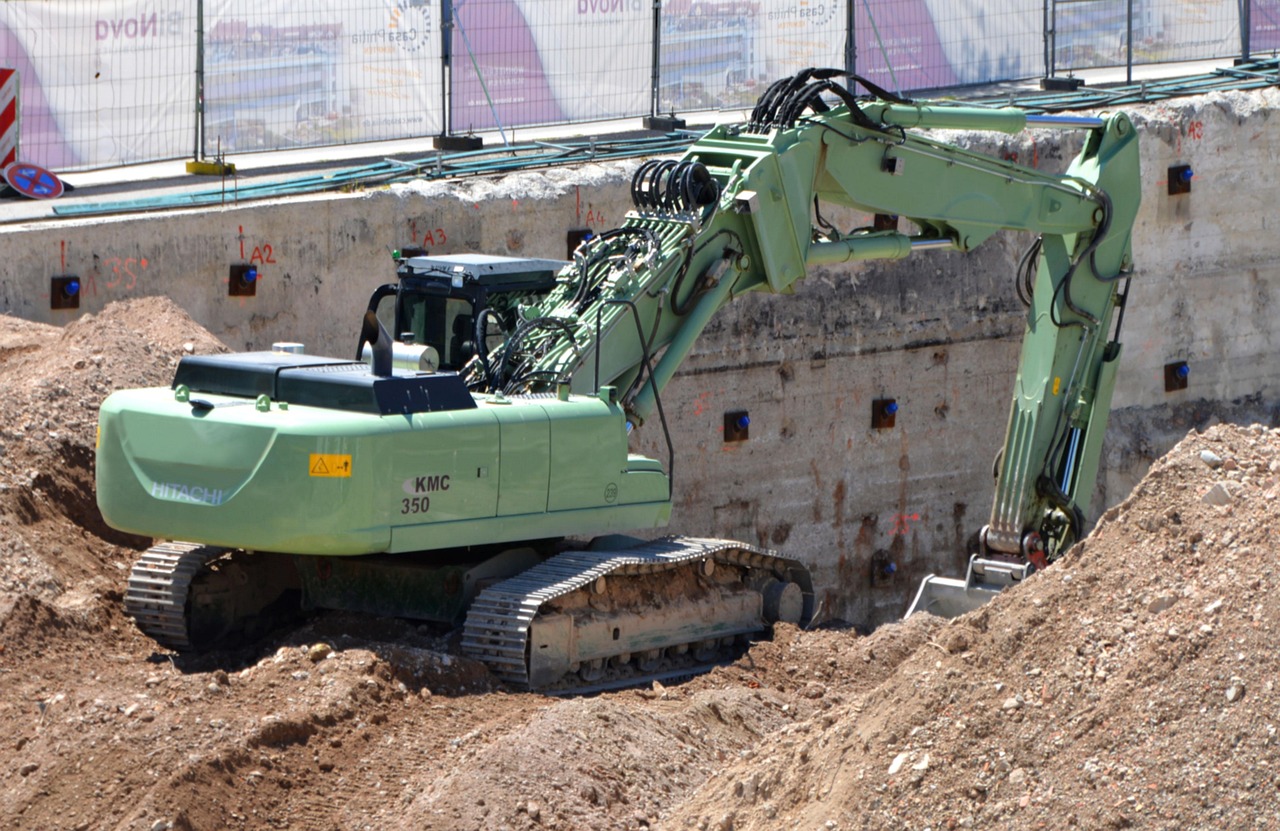
Germany’s construction, logistics, and infrastructure sectors continue to face structural labor shortages, particularly in skilled trades and equipment operation. For U.S. workers exploring overseas employment, heavy equipment driver jobs in Germany with visa sponsorship can appear attractive. However, the pathway is governed by strict immigration rules, credential recognition requirements, and employer-driven procedures that differ significantly from the American system.
This article explains how heavy equipment operator roles fit into Germany’s labor market, what “visa sponsorship” realistically means under German law, and what non-EU applicants must meet before relocating.
Answer 8 quick questions and get a personalized eligibility report with your score, strengths, and next steps — in under 2 minutes.
Take our Advanced Quiz to uncover hidden strengths and get a full action plan to maximize your fellowship chances.
Based on both quizzes, you have a solid profile for fellowship and scholarship applications. Here's your action plan:
Germany’s aging workforce and ongoing infrastructure modernization have created sustained demand in construction, civil engineering, roadworks, warehousing, and industrial transport. Heavy equipment drivers—such as excavator operators, crane operators, forklift drivers, and earthmoving machinery specialists—are essential for these sectors.
Under the Skilled Immigration Act (Fachkräfteeinwanderungsgesetz), Germany expanded legal pathways for non-EU skilled workers. The policy is not designed as a general labor import program; it targets qualified professionals whose training can be formally recognized. The framework is administered by authorities such as the Federal Office for Migration and Refugees (BAMF) and the Make it in Germany portal.
Heavy equipment drivers fall into vocational (non-academic) skilled categories. That distinction matters because eligibility depends on recognized vocational qualifications rather than university degrees.
Advertisements1
Answer 5 quick questions and we'll match you with the best scholarships, visas, and work opportunities for your exact profile.
Ranked by compatibility with your profile
Unlike the U.S. employer petition model, Germany does not operate a traditional sponsorship system in which an employer files a petition on behalf of a worker. Instead, a job offer is required, and immigration authorities assess whether:
In practical terms, the employer provides a binding contract and cooperates in paperwork, but the residence permit application is filed by the worker at a German consulate.
| Pathway | Who It Applies To | Key Requirements | Limitations |
|---|---|---|---|
| Skilled Worker with Vocational Training | Applicants with formally recognized non-academic training | Recognized qualification in Germany; job offer aligned with training; adequate salary | Recognition process can be lengthy |
| EU Blue Card | Primarily academic professionals | University degree; salary above statutory threshold | Generally not applicable to equipment operators |
| Opportunity Card (Chancenkarte) | Points-based jobseekers | Qualifications, experience, language skills, financial proof | Does not guarantee employment; limited duration |
For most heavy equipment drivers, the Skilled Worker with Vocational Training route is the relevant pathway.
Germany regulates many skilled trades. Before a visa is issued, foreign vocational training must be assessed for equivalence. This process is handled through recognition authorities identified via the Recognition in Germany portal.
If substantial differences exist between U.S. training and German standards, authorities may require adaptation measures, exams, or additional coursework. Without recognition, a residence permit for skilled work is unlikely.
Although some industrial employers operate in English, heavy equipment roles typically require at least basic to intermediate German (often A2–B1 level). Safety compliance, machinery documentation, and site coordination depend on clear communication. Language ability is often decisive in hiring decisions.
Heavy equipment operators in Germany typically earn wages aligned with collective bargaining agreements in construction or logistics sectors. Compensation varies by region, union agreements, experience, and specialization (for example, crane operators may earn more than general equipment drivers).
Germany enforces statutory minimum wage laws and industry-level wage floors. Employers cannot legally pay below regulated standards for visa applicants. The Federal Employment Agency reviews conditions in certain cases to ensure parity with domestic workers.
Case Study: Daniel, a 34-year-old heavy equipment operator from Ohio, has eight years of experience operating excavators and bulldozers on commercial construction projects. He completes a German language course to reach B1 level and secures a job offer from a mid-sized infrastructure company in Bavaria.
Before applying for a visa, Daniel submits his vocational training documentation for recognition. Authorities determine partial equivalency and require a short adaptation course. After completing it, he receives full recognition.
With a binding contract and recognized qualification, Daniel applies for a national visa at the German consulate. Processing takes several months. Upon arrival, he converts his visa into a residence permit tied to his employer. After several years of legal employment and integration, he may become eligible for permanent residency, provided he meets statutory residence and contribution requirements.
Daniel’s case illustrates that relocation is procedural and staged—not automatic upon receiving a job offer.
Additional documents may be requested depending on individual circumstances.
Prospective applicants should understand the structural commitments involved:
These are legal obligations, not optional steps.
Working in Germany provides access to strong labor protections and structured vocational standards. However, workers face administrative complexity, high social contributions, and strict compliance expectations. The regulatory environment is protective but procedural.
For U.S. applicants, adapting to Germany’s apprenticeship-based qualification system can be challenging. Employers may hesitate if documentation is incomplete or language ability is limited.
Do I need a German job offer before applying?
Yes. For the skilled worker residence permit, a binding job offer aligned with recognized qualifications is required.
Can I switch employers after arriving?
Often yes, but approval from immigration authorities may be required during the initial period.
Is there an age limit?
There is no strict upper age limit, but older applicants may need to meet additional pension-related requirements.
How long until permanent residency?
Typically several years of legal employment and contributions, subject to statutory conditions and integration benchmarks.
Heavy equipment driver jobs in Germany with visa sponsorship are viable primarily for formally trained, experienced operators willing to navigate qualification recognition and language requirements. Germany’s immigration framework is structured around skill validation and labor market regulation, not rapid recruitment.
For U.S. workers prepared for procedural steps and integration expectations, the pathway can provide long-term employment stability within a regulated labor system. However, outcomes depend on recognized credentials, employer cooperation, and compliance with evolving immigration rules.
Editorial Note: This article is based on publicly available information from German government sources and labor authorities. It is intended for informational purposes only and does not constitute legal advice. Immigration regulations change, and readers should verify requirements through official government websites or qualified legal professionals. The author has experience researching international labor markets and immigration policy frameworks.